Financial Services
Orizal Financial Advisors
2021-Present
Case studyNanyang Technological University
Helping upcoming graduates turn their experience into a professional story people would remember.
FableForce
Students may have the qualifications for a role, but that does not mean employers will immediately understand what makes them different. NTU engaged us to show upcoming graduates how to position themselves more clearly on LinkedIn.
Our work with NTU began with an invitation to speak at an alumni workshop about entrepreneurship.
That first session opened the door to a different challenge. NTU’s Career Office subsequently invited us to tender for a paid LinkedIn workshop aimed at upcoming graduates across the university.
These students were preparing to enter a competitive job market. Their qualifications and internships could help them meet the requirements for a role, but LinkedIn presented a different problem: how could they explain who they were, what they had learned and where they wanted to go?
A résumé could list their experience. They needed to turn it into a story.
For someone at the beginning of their career, “personal branding” can feel premature. Many students assume they need years of accomplishments before they have anything meaningful to say.
The workshop challenged that assumption.
Students learned how to draw a clearer story from the experiences they already had. We covered how to position themselves on LinkedIn, build a credible personal brand and create content that could strengthen their professional visibility over time.
The guidance came from lived experience rather than generic profile advice. Having twice been recognised as a LinkedIn Power Profile, an award given to some of Singapore’s most-viewed LinkedIn profiles, John shared the principles and practices he had used to build his own presence on the platform.
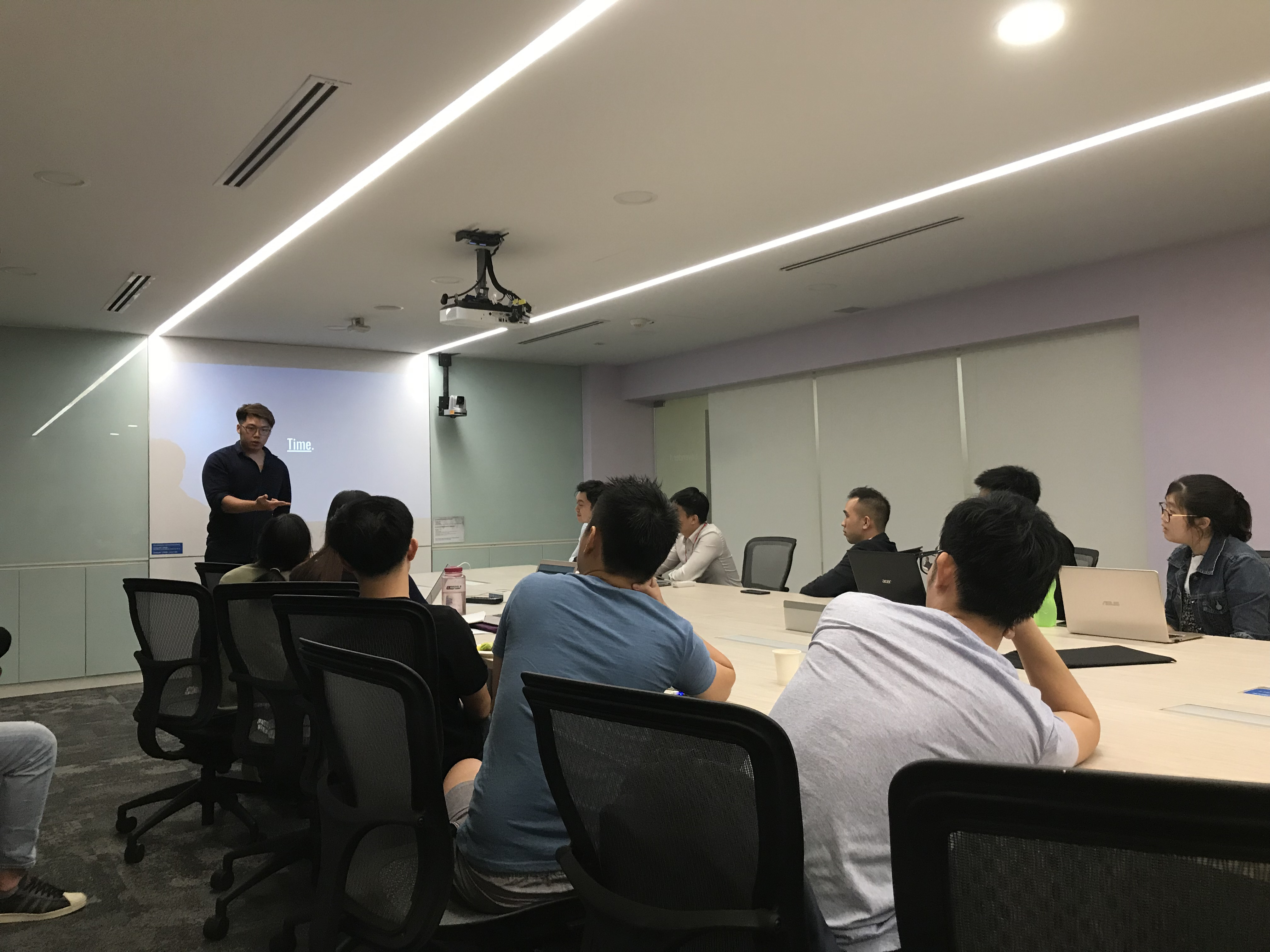
The session did not end with students listening to a presentation.
Around 25 participants worked on their profiles during the workshop. Through live screen sharing, they learned how to navigate LinkedIn, apply what they had just learned and improve the way they presented themselves.
This hands-on format made the advice immediate. Students could move from hearing about positioning and personal branding to seeing how those ideas changed an actual profile.
Smaller coaching conversations also gave them room to ask questions, test how they described themselves and leave with a clearer sense of how to continue building their presence.
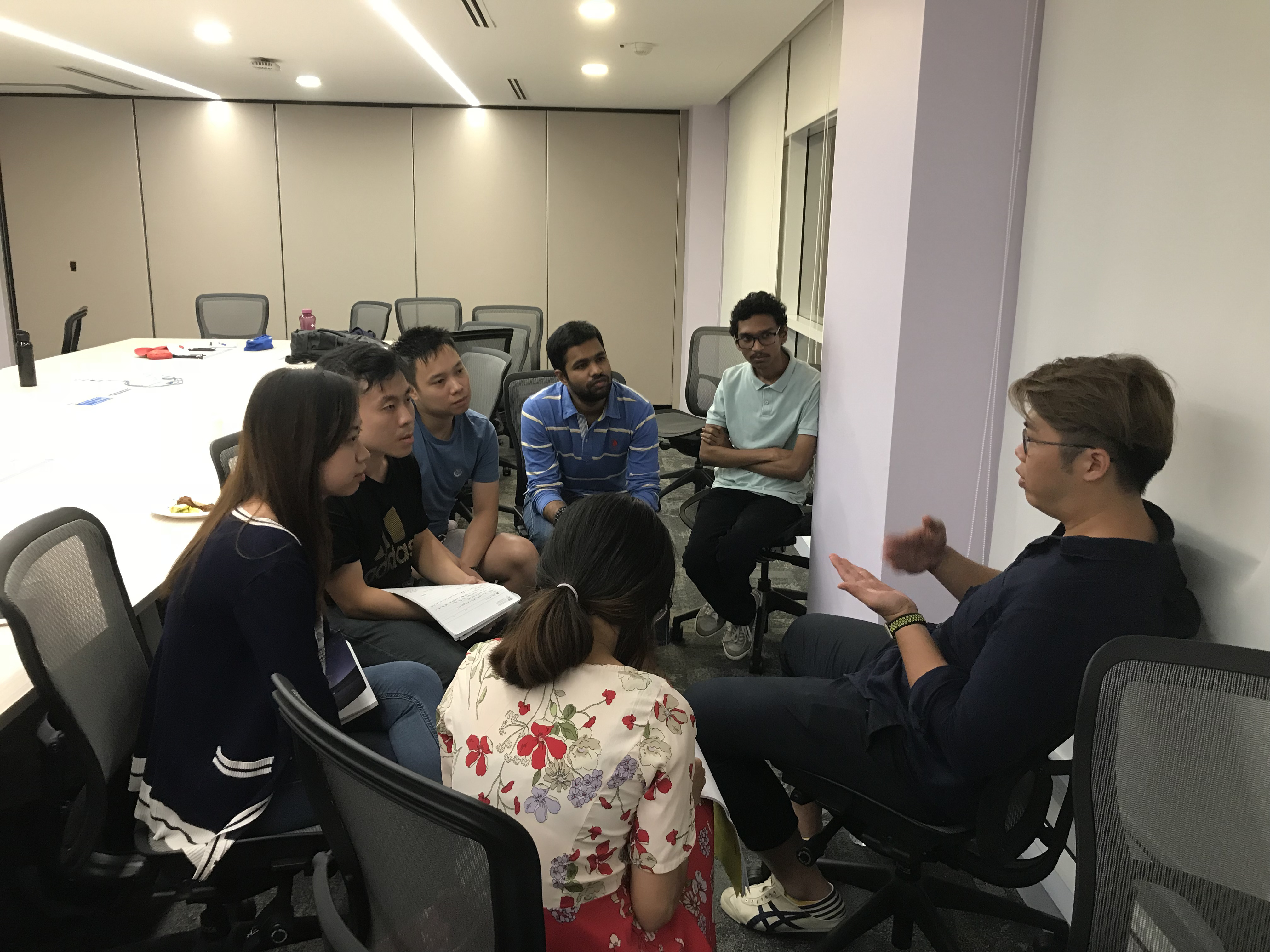
The workshop gave students more than a checklist of profile improvements.
It helped them understand that career visibility begins with making sense of their own experience. By the end of the session, they had worked directly on their profiles, learned how to use the platform and gained a clearer way to present what they could contribute.
What began as an invitation to share an entrepreneurial journey became a paid opportunity to help the next group of graduates tell their own.