Financial Services
Orizal Financial Advisors
2021-Present
Case studyThe Dreamer Home
We reshaped the brand and rebuilt its website around the homes, thinking, and people clients needed to trust.
FableForce

The Dreamer Home had built a substantial portfolio through word of mouth, but its old website no longer reflected the quality or consideration visible in its interiors.
The Dreamer Home's strongest proof already existed in the homes it had designed.
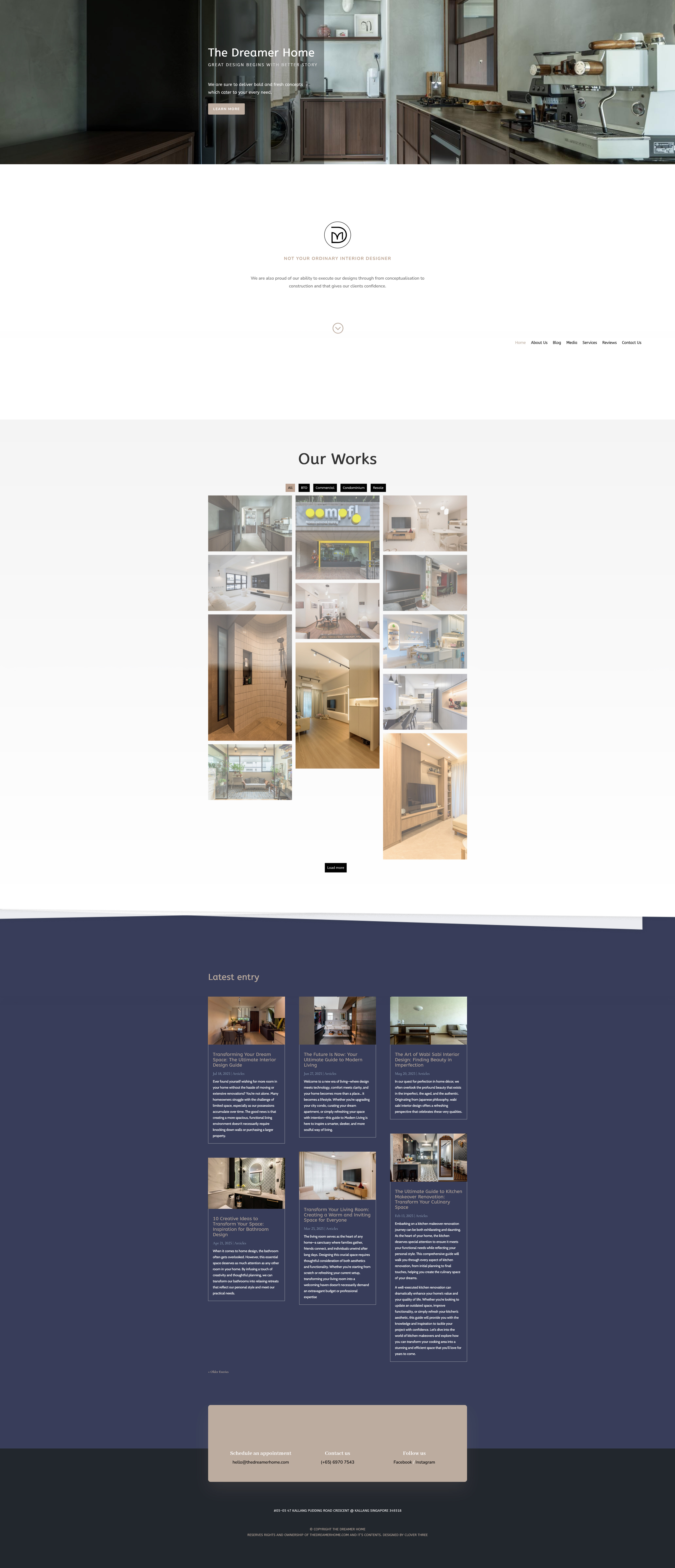
The old website contained projects, articles, and evidence of the studio's experience. But its dense structure, dated presentation, and competing content made that quality harder to recognise.
The problem was larger than visual design. Positioning, messaging, content, navigation, and technology were all shaping how the studio was perceived.
We needed to reconsider the complete experience.
We clarified how The Dreamer Home should present its work, what prospective clients needed to understand, and how the experience should feel.
This included positioning, messaging, copywriting, identity refinement, and a new visual system. The website became the place where these elements came together.
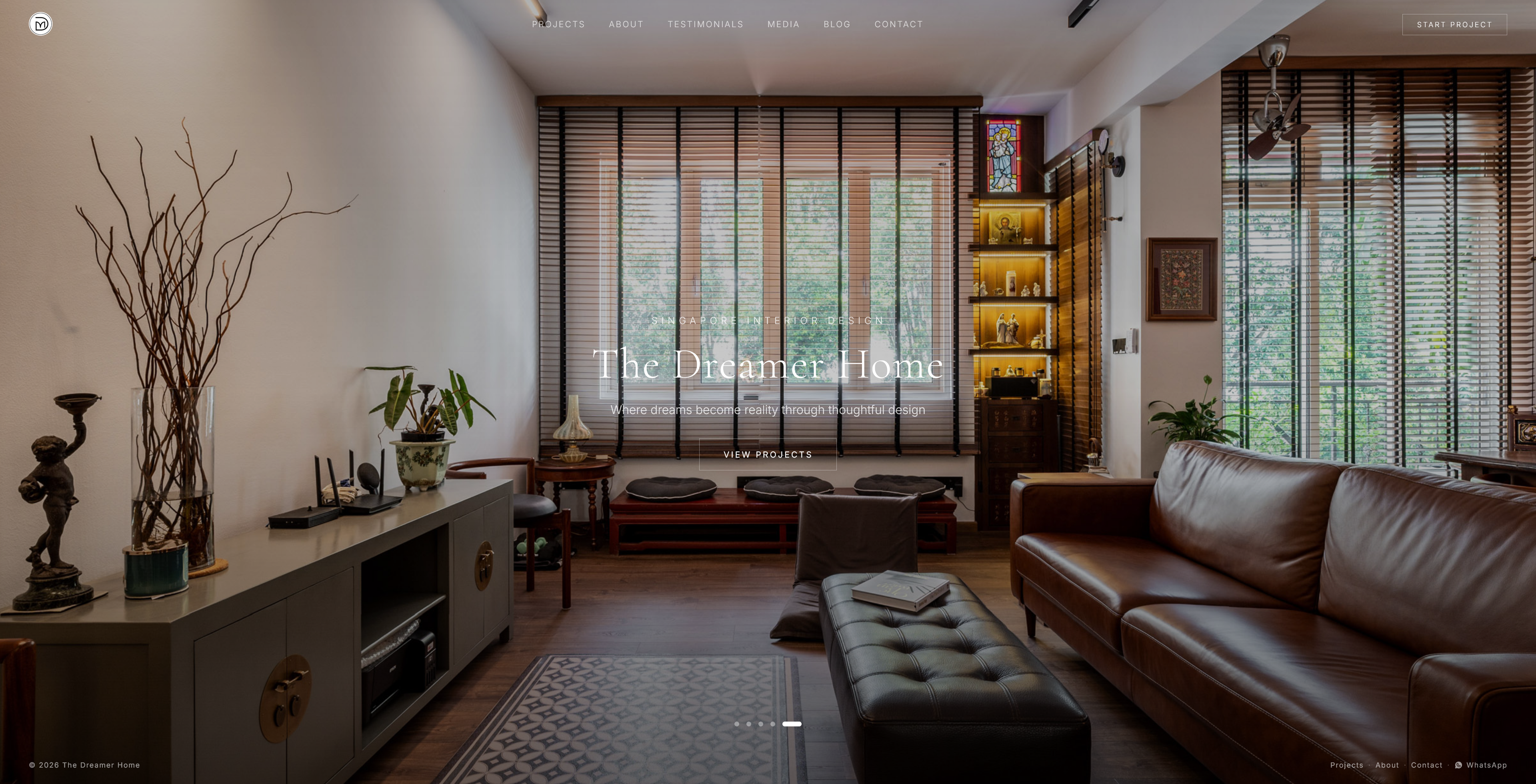
The design became quieter and more deliberate. Typography, spacing, imagery, and interface elements were developed to reflect the same restraint and attention visible in the studio's interiors.
We rebuilt the website around that clearer presentation of the studio and its work.
The portfolio contained 51 completed projects, but displaying more work would not automatically make the studio more convincing.
We reviewed and organised all 51 projects so visitors could search, filter and compare them.
Individual project pages were given a more editorial structure. Photography could establish the character of each home, while project information and design details provided the context behind it.
Visitors could find homes relevant to their own plans and explore the studio’s decisions in more detail.
The old homepage placed the portfolio, articles, and proof on one long page, making the strongest work harder to find.
The new homepage leads with a finished home and gives each next step a clearer place in the journey.
The Dreamer Home already had an established search presence. Rebuilding the website could not mean discarding the value accumulated by its existing pages.
We retained important URL and content structures where appropriate and implemented proper redirects where pages moved.
Existing links could still lead visitors to the relevant content after the website changed.
The portfolio showed what The Dreamer Home could create. Clients also needed a sense of who would guide them through the process.
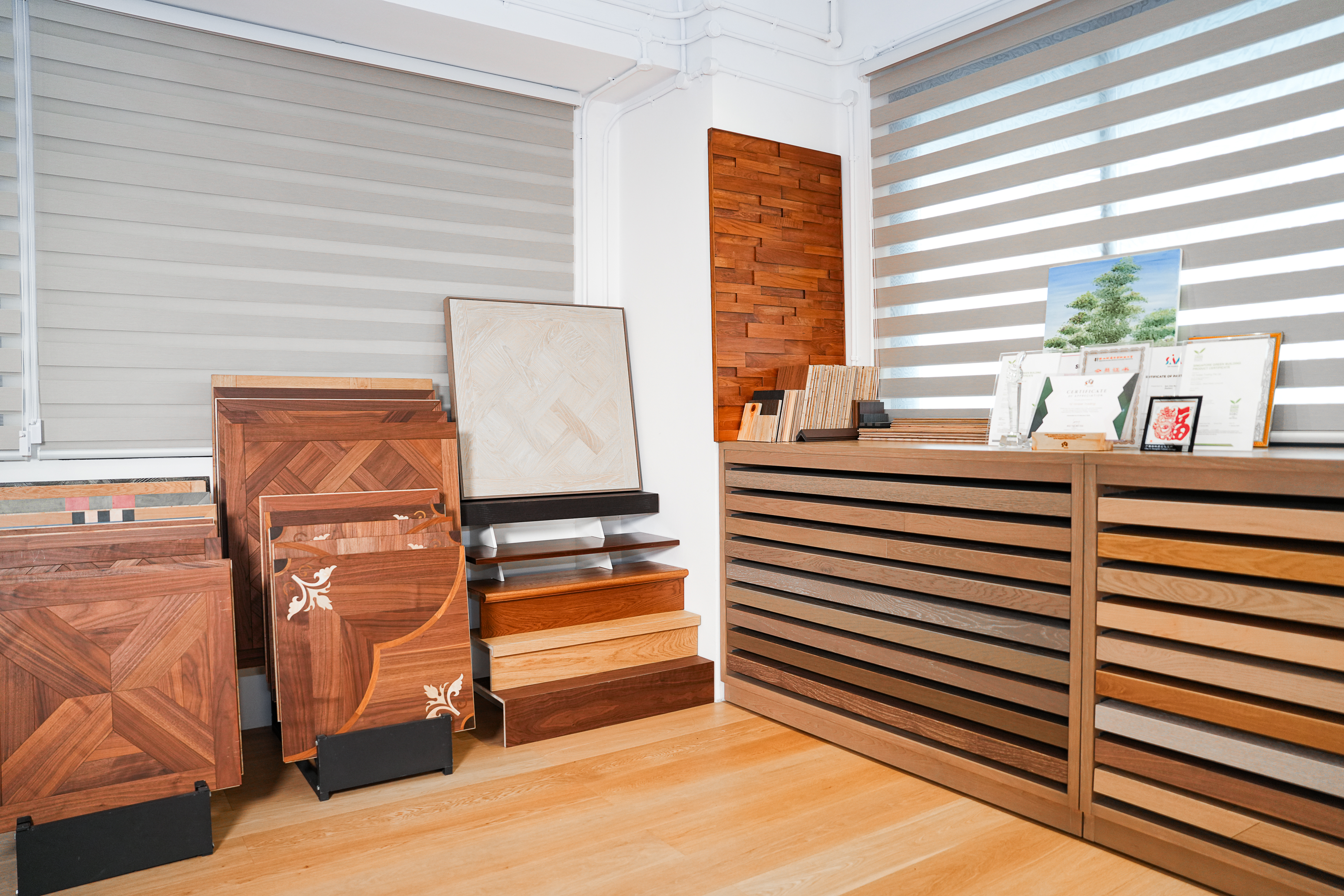
We photographed the team in its showroom, surrounded by plans, samples and material choices. Alongside the finished homes, visitors could see the people who would help them make those decisions.
The website launch became a continuing 12-month engagement.
We maintained The Dreamer Home's presence across Facebook and Instagram, keeping its projects and brand visible without turning the studio into an aggressive advertiser.
This reflected how the business had already grown: through its work, reputation, and word of mouth.
Together, the refreshed brand, rebuilt website, and 51 structured projects gave that reputation a clearer digital expression.